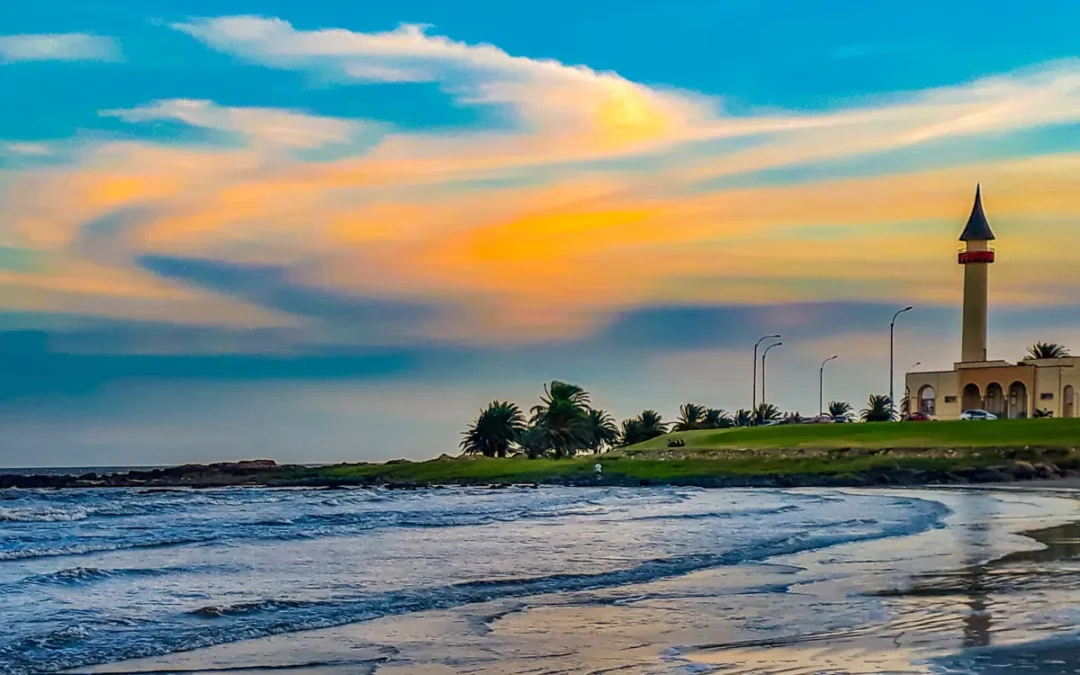
Updated November 2026 Short answer: Uruguay is South America’s smallest wine country, with about 6,000 hectares of vines, and its signature grape is Tannat, which covers roughly a quarter of its vineyards. Most wine comes from Canelones, near Montevideo, while...
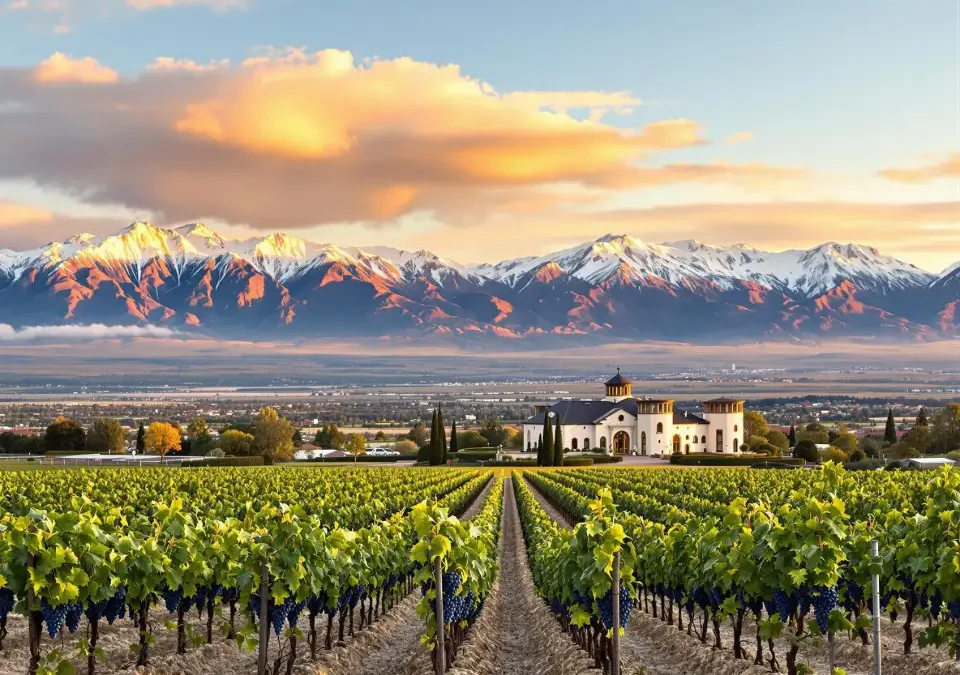
Chile’s unique geography—a narrow strip between the Pacific Ocean and the towering Andes Mountains—creates some of the world’s most diverse wine regions within a remarkably compact area. At Borravino Wine Tours, we’ve spent years exploring...
Updated November 2026 Short answer: the classic South American wine route links Buenos Aires, Mendoza and Santiago, with a day trip to Colonia del Sacramento in Uruguay. Our core route takes 11 days, and our flagship small-group trip stretches the same route to about...
Updated November 2026 Short answer: Altitude makes wine fresher and more intense. The higher the vineyard, the cooler the air, the colder the nights and the stronger the sunlight, which gives deeper color, brighter acidity and more aroma. Argentina has some of the...
Tripadvisor has chosen Mendoza, a city in western Argentina, as one of the best gastronomic destinations in the world. Restaurant “Zonda, cocina de paisaje” in Bodega Lagarde Tripadvisor’s The Best of the Best In a recent publication aimed at...
Updated November 2026 Short answer: January is high summer in Mendoza: hot, sunny and dry, with long days and warm evenings. It is a great month for Andes day trips, vineyard sunsets, winery lunches and river adventures, but it is not harvest season yet, which starts...