
Picture this: you’re standing in a centuries-old underground cellar carved into the red clay of La Rioja, glass in hand, while a third-generation winemaker explains why his Gran Reserva spent three years in American oak. There’s no tour bus outside. No stranger bumping your elbow at the tasting table. No one asking if you can please hurry along to the next stop.
That’s the kind of moment Spain is made for — and the kind of moment a private wine tour in Spain with Borravino Wine Tours is designed to deliver.
Spain is one of the world’s great wine countries. And yet, for the uninitiated traveler, navigating its wine regions can feel overwhelming. The language barrier is real. The geography is vast. And the difference between a generic winery visit and a truly memorable one often comes down to knowing the right people, in the right places, asking the right questions — in Spanish.
That’s exactly where we come in.
Why Spain Belongs on Every Wine Lover’s Bucket List
Spain has more land under vine than any other country in the world. That’s not a small detail — that’s a declaration of identity. Wine here isn’t a hobby or an industry. It’s a way of life woven into daily culture, family tradition, and the rhythms of the table.
From the Atlantic coast of Galicia to the sun-baked plains of Castilla, every region produces something worth discovering. But for travelers who want to experience the pinnacle of Spanish red wine — the wines that collectors chase and sommeliers revere — two names rise above the rest: Rioja and Ribera del Duero.
Both are anchored by the same noble grape, Tempranillo. Both have centuries of winemaking history behind them. And both offer experiences that are as different from each other as a crisp Crianza is from a brooding Gran Reserva.
A Real 10-Day Wine Tour in Spain: What It Actually Looks Like
Sometimes the best way to understand what a wine tour in Spain can be is to look at a real one.
We recently wrapped a 10-day journey with a small group of wine enthusiasts through some of Spain’s most compelling destinations — and the experience is still fresh enough to feel like a good glass of Reserva on a cool evening.
The trip opened in Madrid, where we dove headfirst into one of Europe’s great food cities. Tapas bars, vermouth before lunch, market halls piled high with Iberian cured meats and aged cheeses. Madrid isn’t a wine region, but it’s the perfect gateway — it sets the tone, loosens the group up, and reminds everyone that this trip is as much about the table as the cellar.
From there, history took center stage: Segovia, with its jaw-dropping Roman aqueduct and its reputation for the best roast suckling pig (cochinillo) in Spain; and Burgos, the Gothic cathedral city that also happens to sit at the northern edge of Ribera del Duero wine country.
Then came the wine regions themselves, each with its own distinct personality:
- Rueda — crisp, aromatic whites from Verdejo that reframe what Spanish wine can be
- Ribera del Duero — powerful, structured reds from high-altitude vineyards along the Duero River
- Rioja — the classic, the icon, the region that put Spanish wine on the world map
“At Borravino, I design experiences for wine enthusiasts who want to go beyond the surface — people who want to meet the winemakers, understand the land, and eat and drink the way locals do. This trip was exactly that.” — Claudio Piñón, founder of Borravino Wine Tours
The bodega visits were intimate and generous. The wines were stunning. And the conversations that happened around those tables, between people who hadn’t known each other ten days earlier, are a reminder of why this kind of travel matters.
The trip closed back in Madrid with a hands-on cooking class — the kind of last night that sends everyone home already planning their next trip.
Rioja: Where Tradition Wears Its Best Suit
The Heart of Spanish Wine Culture
No wine region in Spain carries more name recognition than Rioja. Located in the north, straddling the Ebro River valley with the Sierra de Cantabria mountains to its back, Rioja has been producing wine since the Romans — and probably long before them.
What makes Rioja so captivating for wine enthusiasts isn’t just the wine itself, though it’s extraordinary. It’s the theatrical backdrop in which it’s produced. Medieval villages with crooked cobblestone streets. Ancient monasteries turned wine estates. Underground bodegas dug by hand generations ago, where thousands of barrels sleep in cool silence.
And then there are the more contemporary statements: world-class wineries designed by architects like Frank Gehry (the famous Marqués de Riscal hotel) and Zaha Hadid, turning the landscape into an open-air museum of vinous ambition.
What to Expect in a Rioja Wine Experience
A well-planned visit to Rioja is a slow, sensory education in aging and elegance. Rioja’s classification system — Crianza, Reserva, and Gran Reserva — tells you exactly how long a wine has spent in oak barrel and bottle before reaching your glass. The longer, generally, the more complex and silky the result.
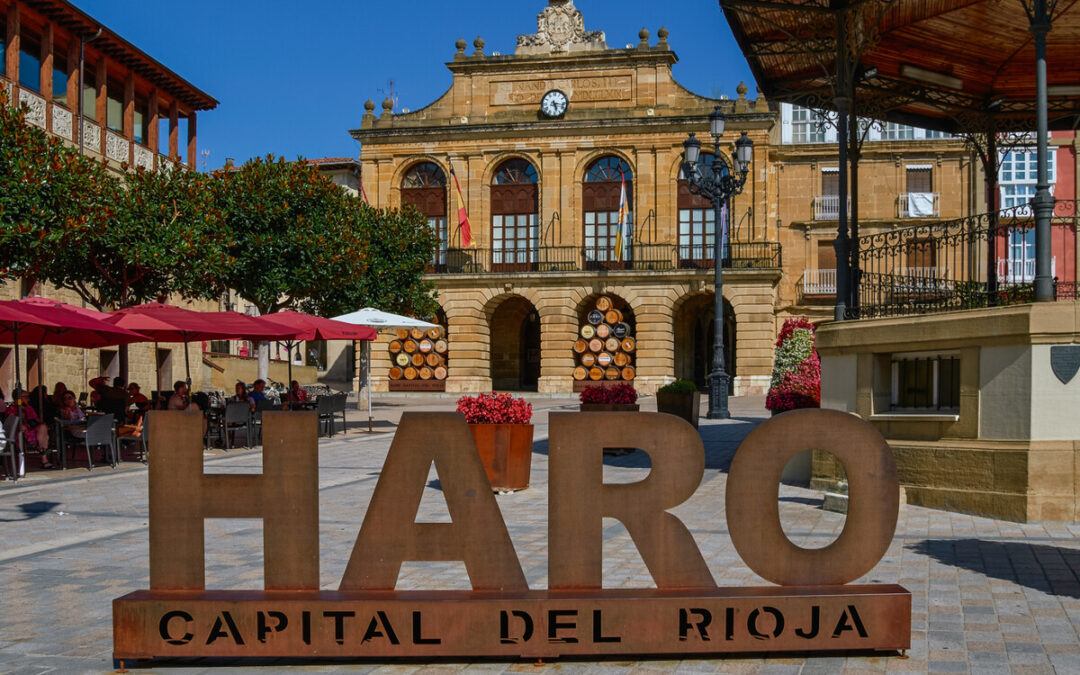
On a private wine tour in Spain’s Rioja region, you might spend a morning at a family-run bodega in the village of Haro — considered the wine capital of the region — where the winemaker walks you through their barrel cellar, pulling samples directly from the cask. In the afternoon, a drive through vine-lined back roads brings you to a hilltop estate where a seated tasting pairs Reservas with local jamón ibérico and Manchego aged twelve months.
The town of Logroño, Rioja’s capital, is worth an evening on its own. The Calle Laurel — or “La Senda de los Elefantes” as locals call it — is a narrow pedestrian street lined with pintxos bars, each one with its own specialty tapa. A glass of young Rioja in hand, hopping from bar to bar: this is Spain at its most joyful.
Ribera del Duero: The Bold Upstart With Serious Credentials
High Altitude, High Intensity
Two hours south of Rioja, following the winding course of the Duero River, lies a wine region that has gone from relative obscurity to international stardom in just a few decades. Ribera del Duero sits on a high plateau — much of it above 800 meters — where scorching summer days contrast with cool nights, producing grapes with remarkable concentration and natural acidity.
The wines here are different from Rioja in important ways. More muscular. More structured. Often darker in fruit character, with tannins that need time to soften but eventually reward patience beautifully. This is where Tempranillo goes full-throttle.
The region’s most famous estate, Vega Sicilia, has been producing wine since 1864 and remains one of the most collectible in Europe. But Ribera del Duero isn’t just about legacy names. A new generation of winemakers is redefining what the region can produce — from precise, terroir-driven single-vineyard wines to approachable, modern styles that are instantly seductive.
Exploring Ribera del Duero on Your Own Terms
What makes Ribera del Duero special for a private wine tour is the intimacy still available here. Unlike some of the more touristy routes in Europe, many of the best bodegas in Ribera del Duero are small, family-owned, and deeply grateful for a thoughtful visitor who genuinely wants to understand what they’re doing.
Arriving with a local guide who speaks the language and knows the people changes everything. A visit becomes a conversation. A tasting becomes a story.
The regional town of Aranda de Duero makes a fine base for exploring, with its own network of underground medieval wine cellars beneath the streets — some dating back to the 12th century, used originally for storage and now, in some cases, for exceptional meals paired with local wines. The roast lamb here (lechazo asado) is the stuff of legend, and the Ribera del Duero wines alongside it are a pairing that deserves a slow afternoon.
What Makes the Best Wine Tour in Spain a Private One
No Two Itineraries Are the Same
At Borravino, we build every trip from scratch around what you actually want. Are you a collector looking to visit specific bodegas not open to the general public? A culinary traveler who wants the wine to support an exploration of regional food? A group of friends celebrating a milestone who want an experience that feels festive and memorable rather than educational and stiff?
We ask those questions before we plan a single visit. Then we build your itinerary around your answers.
Every winery visit on a Borravino tour is confirmed in advance, personally. We don’t show up hoping someone speaks English — we make sure the right person is there to host you, in the language you’re most comfortable in. That matters more than it sounds.
Beyond the Bottle: Gastronomy as a Destination
Spanish food culture is inseparable from its wine culture, and a great wine tour reflects that. Depending on the region and season, your itinerary might include:
- A market visit in Burgos followed by a traditional lunch
- A hands-on cooking class in Madrid to close out the trip
“Watching people who didn’t know each other ten days earlier trade phone numbers over the last dinner — that’s exactly why I do this work.” — Claudio Piñón, Borravino Wine Tours
Food isn’t an afterthought on our tours — it’s a co-lead.
Other Spanish Wine Regions Worth Exploring
Rioja and Ribera del Duero may be Spain’s most celebrated wine regions for red wine, but the country’s vinous map is far wider. Depending on your interests and available time, your itinerary can also incorporate:
Rueda, just west of Ribera del Duero, producing Spain’s finest white wines from the Verdejo grape — bright, herbal, and refreshing in a way that surprises even seasoned wine drinkers. On our recent trip, Rueda was a genuine revelation for the group: many had come expecting to focus exclusively on reds, and left talking about the whites.
- Cigales, a lesser-known appellation between Rueda and Ribera making elegant, food-friendly reds
- Toro, further west along the Duero, where old-vine Tempranillo (called Tinta de Toro here) produces some of the most powerful wines in the country
We know all of these regions well and can weave them into a broader itinerary that feels coherent rather than scattered.
Practical Notes for Your Spain Wine Tour
When to Go
Spring (April–June) and autumn (September–November) are the sweet spots for a wine tour in northern Spain. The harvest season, roughly September through October, brings special energy to the vineyards and the opportunity to witness the vendimia firsthand. If you visit in late September, you may find yourself helping sort grapes at a small bodega — exactly the kind of unrepeatable memory this trip can produce.
Summer can be hot in the plateau regions, but the evenings are pleasant and many wineries are at their most welcoming during this period. Winter visits are quieter and, for some travelers, ideal — fewer tourists, more time with the winemakers, and a different, more introspective kind of beauty in the dormant vineyards.
Getting Around
The wine regions of northern Spain are best explored by private vehicle. The distances between bodegas and villages aren’t enormous, but they’re too spread out for walking and too scenic to rush through on public transport. Part of the pleasure is the drive itself — past century-old vines, through medieval towns, with stops wherever something catches your eye.
On a Borravino tour, we handle all logistics: transfers, winery appointments, restaurant reservations, and accommodation recommendations that match your style and budget. You simply show up ready to enjoy.
The Borravino Approach: Private, Personal, and Always in Your Language
We designed Borravino from the beginning as a private-only experience, because we believe that’s the only way to do this kind of travel justice. Spain’s wine culture is built on relationships and conversation. Group dynamics, with strangers on different schedules and different interests, don’t allow for that.
When you travel with Borravino in Spain, you’re not joining a group itinerary or following a fixed route. You’re getting a trip built around you, guided by someone who genuinely knows the region, the people, and the language.
If you’re curious about what that looks like in practice, explore our full range of wine tour destinations and see how we approach each region we work in.
For a broader sense of what the Spanish wine world has to offer, the Wine Spectator’s Spain guide is an excellent companion resource.
Ready to Raise a Glass in La Rioja?
Spain is one of those places that rewards the traveler who slows down, looks past the obvious, and lets a local show them what’s really worth discovering. A wine region that rewards patience — in its Reservas and its Gran Reservas — tends to reward it in its visitors, too.
Whether you’re dreaming of a week in Rioja, a long weekend in Ribera del Duero, or a broader loop through northern Spain’s wine country, we’d love to help you plan something that feels genuinely yours.
Get in touch with Claudio and the Borravino team today. Tell us what you’re imagining, and we’ll start building your private wine tour in Spain from the ground up — personal, well-paced, and entirely yours.
Borravino Wine Tours operates private wine and culinary tours in Argentina, Uruguay, Chile, and Spain. All itineraries are fully customized and available exclusively for private groups.