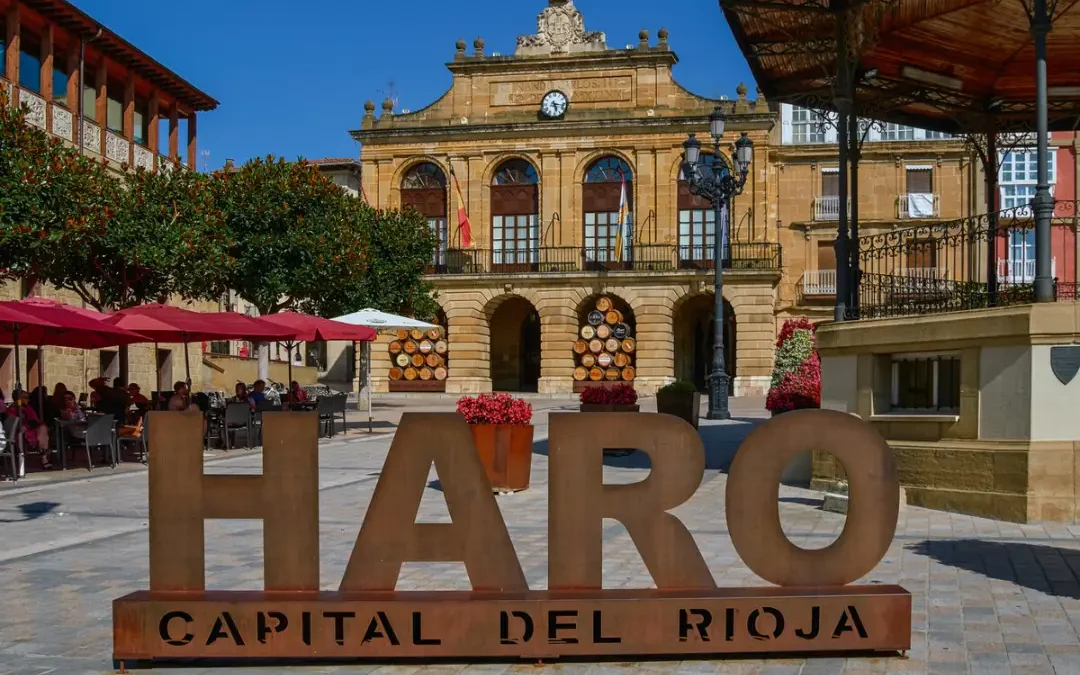
Picture this: you’re standing in a centuries-old underground cellar carved into the red clay of La Rioja, glass in hand, while a third-generation winemaker explains why his Gran Reserva spent three years in American oak. There’s no tour bus outside. No...
Reading time: ~7 min | Category: Wine Travel, Trip Planning Introduction: The Wine Trip That Almost Wasn’t Picture this. You’ve just finished your third glass of a silky Malbec at a dinner party, and someone across the table says: “We should all go...
Updated November 2026 Short answer: sustainable wine tourism means visiting wineries that farm and operate responsibly, and traveling in a way that respects the land and the local community. In South America, organic and biodynamic farming is well established, and...
Updated November 2026 Short answer: Malbec is the plush, fruity one; Tempranillo is the savory, elegant one. Choose Malbec if you like bold, smooth reds, and Tempranillo if you prefer cherry, leather and structure. Keep reading for pairings, serving temperature and...
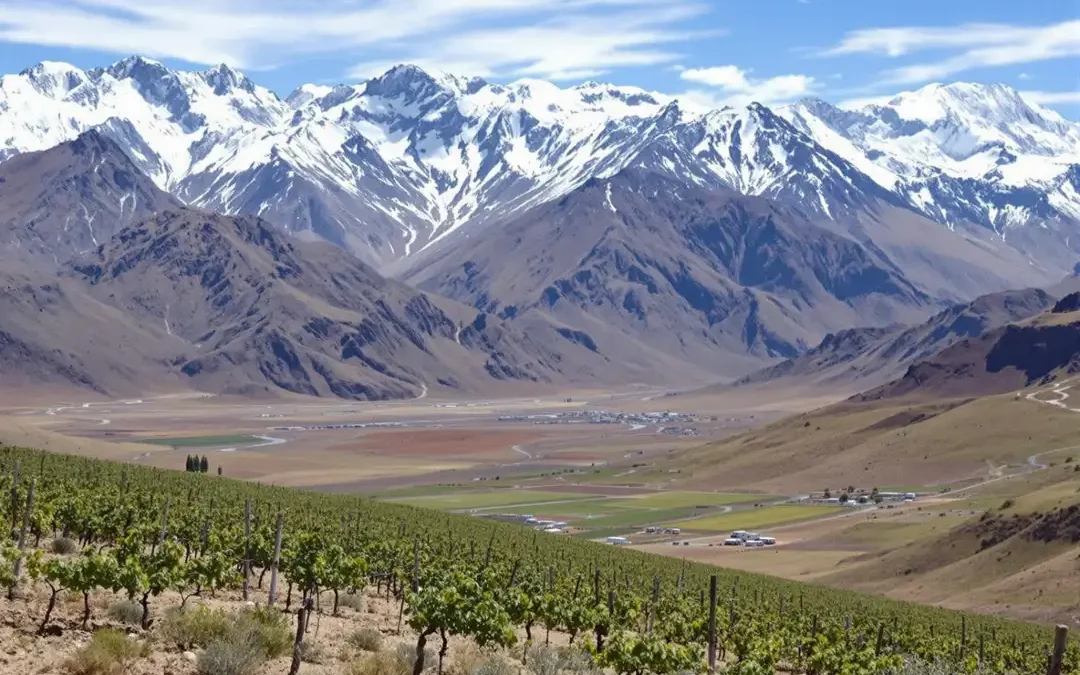
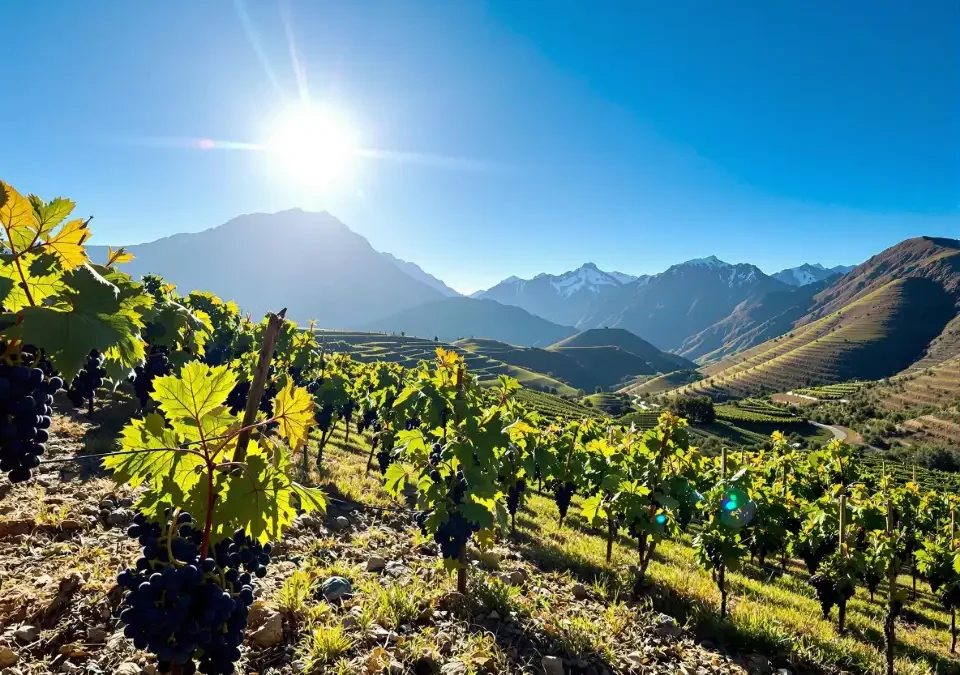
Mendoza is Argentina’s wine capital. Around 70% of the country’s wine is made here, in a dry, sunny strip of vineyards at the foot of the Andes, and it is the place that made Argentine Malbec famous around the world. We have been guiding travelers through these...
Updated November 2026 Short answer: Patagonia is Argentina’s southernmost and coolest wine region, best known for elegant Pinot Noir, fresh old-vine Malbec and crisp whites. It has two main areas: Neuquén, a modern wine region around San Patricio del Chañar, and...