
Updated November 2026
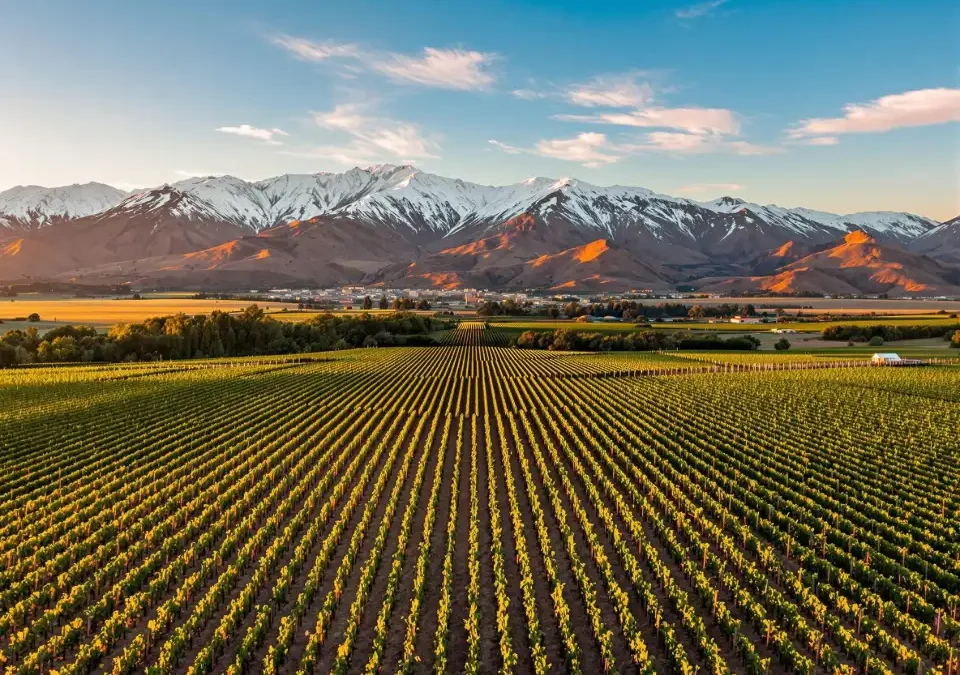
Short answer: Altitude makes wine fresher and more intense. The higher the vineyard, the cooler the air, the colder the nights and the stronger the sunlight, which gives deeper color, brighter acidity and more aroma. Argentina has some of the highest vineyards in the world, from around 600 meters in Mendoza to over 3,000 meters in Salta.
When wine lovers talk about what makes South American wine special, the conversation turns to altitude. Since 2013 we have guided visitors through the vineyards of Argentina, Chile and Uruguay, and altitude is what you notice first in a glass of Mendoza Malbec: darker, fresher and more aromatic than the same grape grown lower.
High-altitude vineyards at a glance
| Zone | Elevation | What it tends to taste like |
|---|---|---|
| Luján de Cuyo and Maipú, Mendoza | About 640–1,100 m (2,100–3,600 ft) | Ripe, plush Malbec with black fruit; the classic style |
| Uco Valley, Mendoza | About 900–1,700 m (2,950–5,600 ft) | Fresher, more floral, with brighter acidity and structured tannins |
| Cafayate, Salta | From about 1,700 m (5,600 ft) | Aromatic Torrontés and intense, spicy reds |
| Altura Máxima, Salta | 3,111 m (10,207 ft) | One of the highest commercial vineyards in the world |
How altitude changes the grape
1. Stronger sunlight. UV radiation increases by roughly 10 to 12% for every 1,000 meters (about 3,300 feet) of elevation. To protect themselves, grapes grow thicker skins and produce more color and phenolic compounds. That means:
- Deeper color
- More concentrated flavors
- Firmer, more structured tannins
2. Cool nights. Temperature drops by roughly 0.6°C for every 100 meters you climb, and in Mendoza the gap between day and night can reach 15°C (59°F) or more during the growing season. Warm days build sugar and ripeness; cold nights keep natural acidity and fresh aromas. Grapes ripen slowly, gaining complexity without excess alcohol.
3. Poor, stony soils. Many high-altitude vineyards sit on well-drained alluvial soils of sand, stones and limestone. Vines have to struggle, which gives lower yields, deeper roots and more mineral character.

Tasting the difference: Malbec by altitude
Malbec shows the altitude effect more clearly than any other grape. As a general guide:
- Luján de Cuyo and Maipú (lower, warmer): riper black fruit, plush texture and moderate acidity. This is the traditional home of Mendoza Malbec.
- Uco Valley (higher, cooler): more violet and floral aromas, brighter acidity, a mineral edge and tannins built to age.
A winemaker at Colomé in Salta, who makes Malbec at three different altitudes, describes the same pattern as you climb: the color darkens, the aromas become more complex (spices, minerals, flowers) and the tannic structure grows.
Beyond Malbec
- Torrontés in Salta: the aromatic white of Cafayate, grown from about 1,700 meters, has jasmine and citrus aromas with a refreshing acidity.
- Cabernet Franc in the Uco Valley: a Bordeaux grape that finds elegance and fresh red fruit in the cool, high vineyards of Mendoza.
- The very highest sites: at Altura Máxima, at 3,111 meters, only early-ripening grapes such as Malbec, Pinot Noir and Sauvignon Blanc ripen reliably.
Cool without altitude
Altitude is not the only way to get fresh, elegant wines. In Patagonia, latitude and constant wind do the work at much lower elevations, and the result is Pinot Noir and Malbec of a different style (see our guide to the Patagonia wine region). In Chile’s Casablanca Valley, ocean breezes keep the vineyards cool, which suits Chardonnay, Sauvignon Blanc and Pinot Noir. Our Casablanca Valley wine tour is a good way to taste it. Uruguay’s Tannat benefits from a maritime climate, and our guide to Malbec, Tannat and Carmenère compares all three countries.
Taste the altitude effect with us
The easiest way to understand altitude is to taste it. On our private Luján de Cuyo wine tour you taste the classic, lower-elevation style; on the Uco Valley wine tour you climb to the high vineyards facing the Andes; and our 3-Day Mendoza Wine Escape covers Luján de Cuyo, Maipú and the Uco Valley, so you can compare them side by side. To go all the way up, ask about our Salta and Cafayate tour.
High-altitude wines: what you need to know
What counts as “high altitude” for wine?
It depends on latitude, but vineyards above roughly 500 to 1,000 meters are generally considered high-altitude. In Argentina, many of Mendoza’s best vineyards sit between 900 and 1,700 meters, and in Salta they climb above 3,000.
Do all grapes benefit from altitude?
No. Early-ripening and cool-climate-friendly grapes such as Malbec, Pinot Noir, Sauvignon Blanc and Cabernet Franc adapt well. Late-ripening grapes can struggle to ripen fully at the highest sites.
Does altitude help wine age?
Often, yes. Natural acidity and structured tannins are what give a wine staying power, and many premium high-altitude Malbecs and Cabernets from Mendoza can age for a decade or more.
What food goes with high-altitude wines?
The acidity and tannins of high-altitude reds are a good match for Argentine beef, especially traditional asado. The aromatic intensity and acidity of high-altitude whites like Torrontés pair well with spicy dishes and seafood.
Ready to taste the difference? Contact us to plan your South American wine trip, or see all our private wine tours in Argentina.